
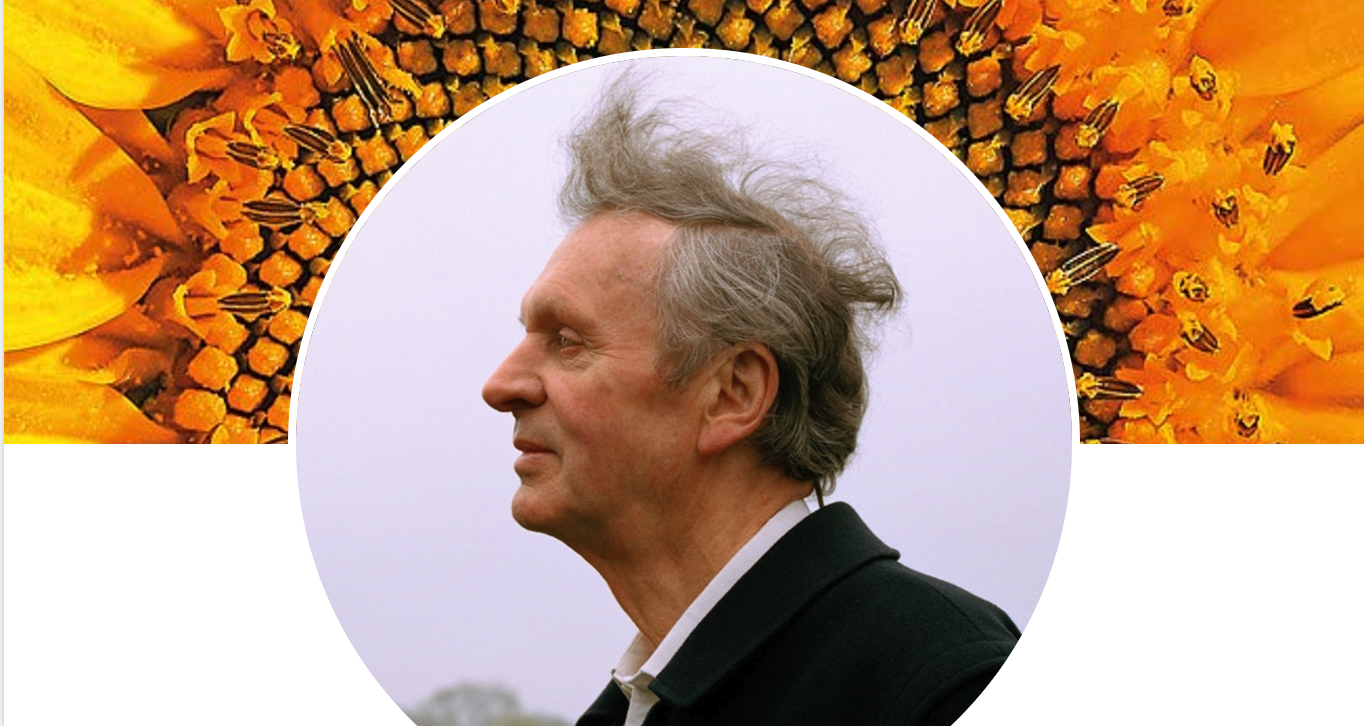
Rupert Sheldrake is a biologist and author whose groundbreaking work challenges conventional scientific paradigms and offers innovative perspectives on consciousness, memory, and the interconnectedness of life. Born in 1942 in Newark-on-Trent, England, Sheldrake earned a Ph.D. in biochemistry from the University of Cambridge and conducted pioneering research on plant physiology before delving into broader questions about the nature of life and mind.
Morphic Resonance: A Controversial Theory
Sheldrake is best known for his theory of morphic resonance, which proposes that natural systems—such as plants, animals, and even crystals—inherit collective memories from similar systems in the past. This idea suggests that patterns of behavior and form are not solely encoded in genes or physical structures but are influenced by a non-material field that connects all living things. While controversial, morphic resonance has inspired interdisciplinary dialogues, challenging reductionist approaches in biology and encouraging new ways of thinking about evolution, learning, and consciousness.
Reimagining Science and the Mind
Sheldrake has also explored the limits of materialist science, particularly in his book The Science Delusion (published as Science Set Free in the U.S.). He critiques the rigid assumptions of mainstream science, advocating for a more open-minded and exploratory approach. His investigations into telepathy, the sense of being stared at, and other phenomena often dismissed by conventional science aim to expand the boundaries of what is considered scientifically valid.
A Catalyst for Dialogue
Despite facing skepticism from the scientific establishment, Sheldrake's work has had a profound influence on the fields of consciousness studies, parapsychology, and holistic science. His willingness to question deeply entrenched ideas has made him a polarizing but respected figure among those seeking to bridge science and spirituality. Sheldrake has also contributed to public discourse through his lectures, podcasts, and collaborations with thought leaders in various disciplines.
Legacy and Impact
Rupert Sheldrake's work is a reminder of the importance of intellectual curiosity and the value of challenging dominant paradigms. Whether or not his theories gain mainstream acceptance, his contributions continue to inspire scientists, philosophers, and laypeople to reimagine the interconnectedness of life and the mysteries of the mind.