
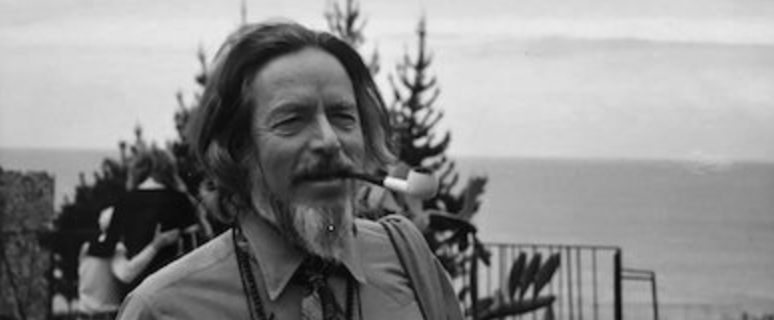
A Bridge Between East and West
Alan Watts (1915–1973) was a philosopher, writer, and speaker who introduced millions of Westerners to the wisdom of Eastern philosophies, particularly Zen Buddhism, Taoism, and Hinduism. With his approachable style and deep insights, Watts made complex spiritual concepts accessible to everyday audiences, fostering a greater understanding of Eastern thought in the West.
The Art of Living in the Moment
Central to Watts' teachings was the importance of living in the present moment. He argued that modern society's obsession with productivity and future outcomes often distracts us from experiencing life fully as it unfolds. His famous lectures and books, such as The Way of Zen and The Wisdom of Insecurity, emphasize the joy and freedom that come from letting go of the need to control life.
Legacy of Inspiration
Alan Watts’ work continues to inspire seekers of wisdom around the globe. His timeless ideas on interconnectedness, mindfulness, and the illusory nature of the self remain highly relevant in today’s fast-paced world. For those looking to explore deeper meanings in life, Watts provides a guiding light that bridges ancient wisdom with modern understanding.
Books by Alan Watts
The Spirit of Zen (1936)
The Meaning of Happiness (1940)
The Supreme Identity (1950)
The Way of Zen (1957)
This Is It: and Other Essays on Zen and Spiritual Experience (1960)
Psychotherapy East and West (1961)
The Joyous Cosmology: Adventures in the Chemistry of Consciousness (1962)
The Two Hands of God (1963)
Beyond Theology: The Art of Godmanship (1964)
The Book: On the Taboo Against Knowing Who You Are (1966)
Cloud-Hidden, Whereabouts Unknown: A Mountain Journal (1973)
Tao: The Watercourse Way (1975, posthumous)